Tanzania's Wild Heart
Serengeti plains, Ngorongoro Crater, and the Great Migration, safari itineraries built around wildlife rhythms, not tour-bus schedules.
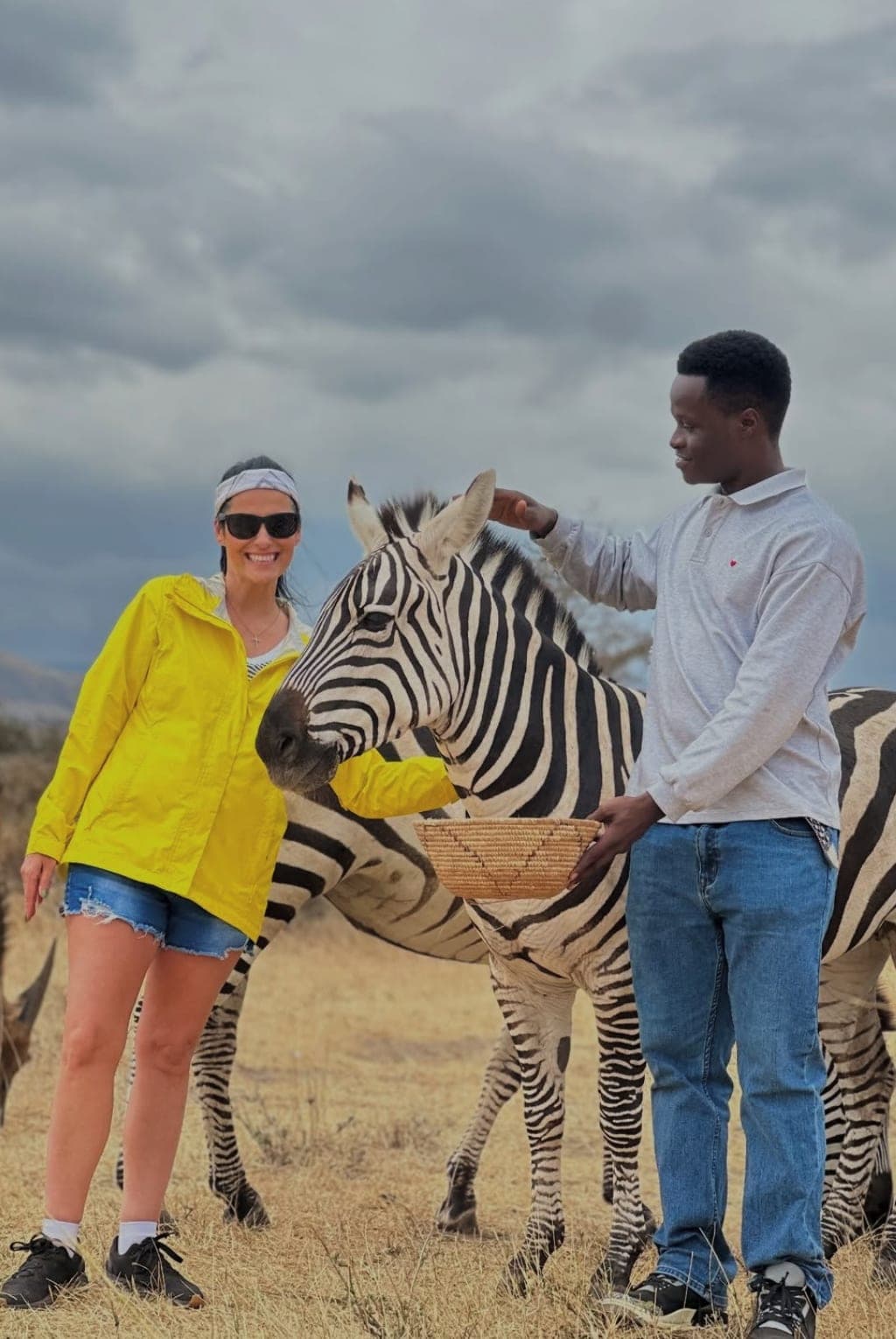
Photos from Tanzania Safari
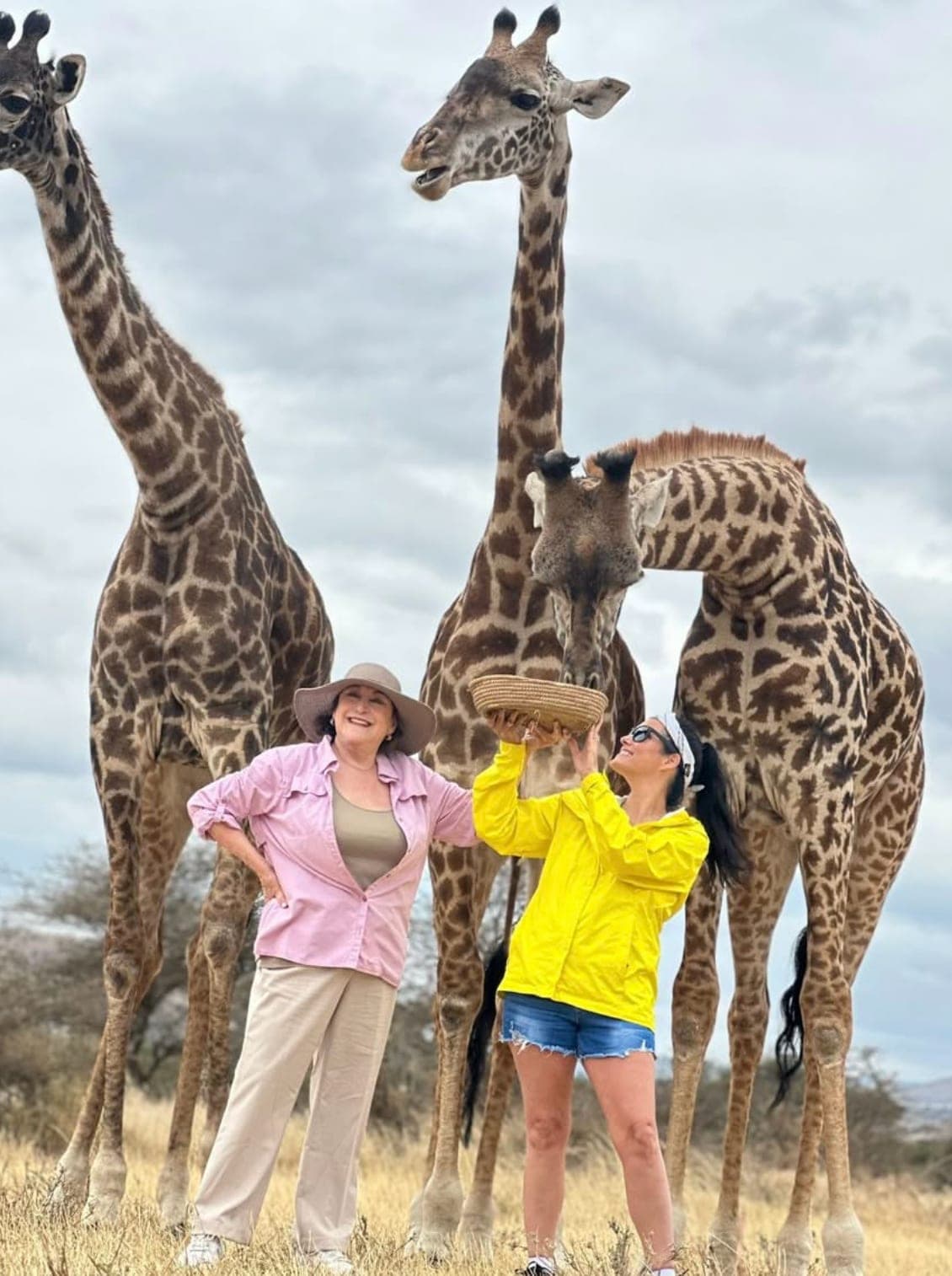
South Africa Safari
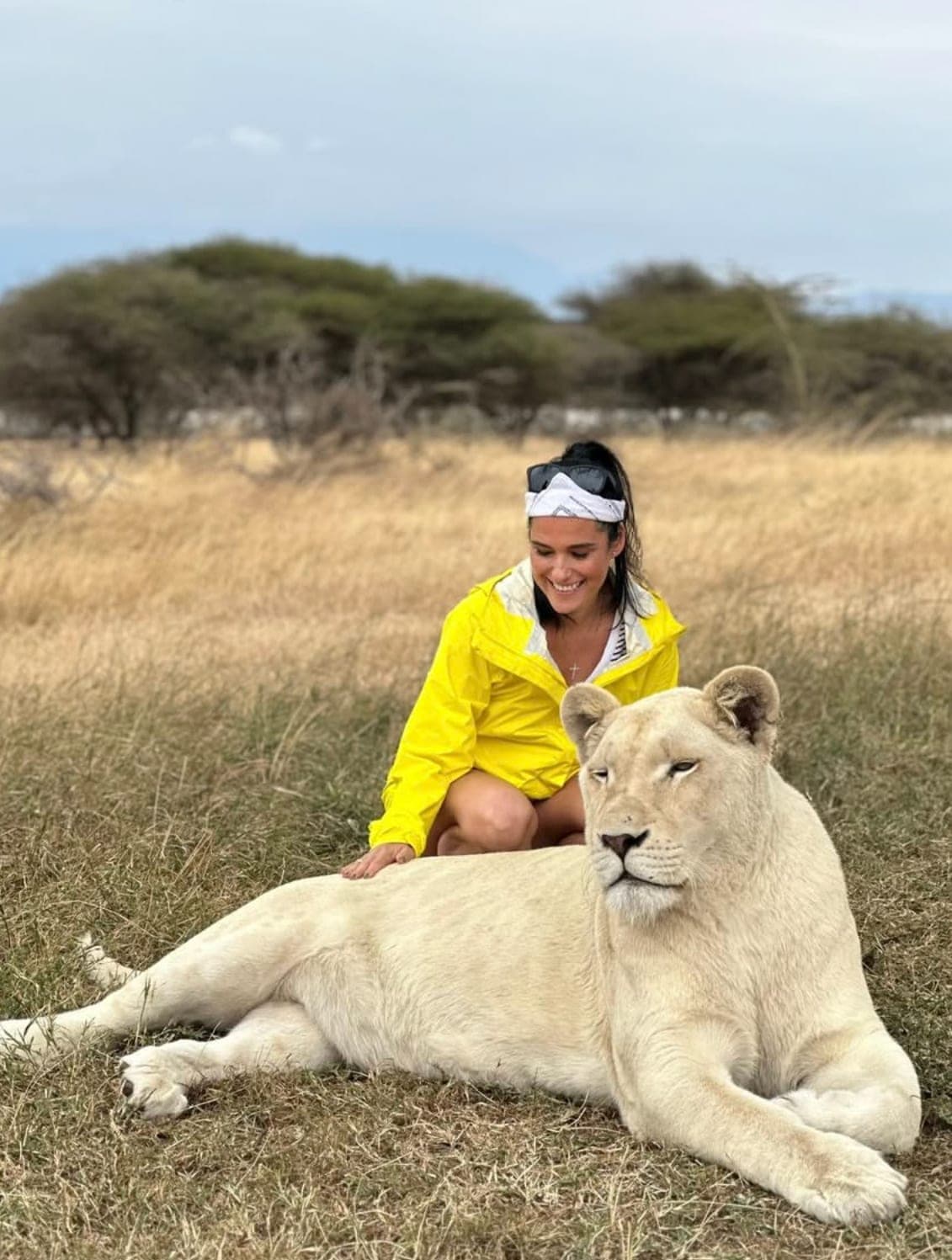
South Africa Wildlife
Tanzania is the landscape that defined safari for the world, endless Serengeti horizons, the wildlife amphitheater of Ngorongoro Crater, elephant corridors in Tarangire, and tree-climbing lions in Lake Manyara. It is also a country where itinerary design separates transformative trips from disappointing ones. The difference lies in camp selection, migration timing, internal flight connections from Arusha, and guides whose knowledge transforms a drive into a narrative you will retell for decades.
Vanessa plans Tanzania safaris with migration awareness at the center. The Great Migration is not a single event on a fixed date. It is a year-round cycle of calving, grazing, and river crossings that shifts with rainfall patterns. She places you in the right corridor for your travel window, whether that means southern Serengeti predator action during calving season or northern river crossings during dry months. Beyond wildlife, she coordinates cultural visits to Maasai communities when appropriate, Zanzibar beach extensions for post-safari decompression, and Kilimanjaro trekking for adventurous clients adding Africa's highest peak.
From Springfield. Missouri to the Tanzanian bush. Vanessa handles visas, health guidance conversations, packing lists, tipping customs, and the logistics most first-time safari travelers underestimate. You arrive focused on horizons and herds. She has already handled everything behind them.
Serengeti National Park
The Serengeti's 5,700 square miles reward extended stays across multiple sectors. Vanessa typically books two to three nights in southern plains during calving season (January–March) and northern zones during crossing season (July–October), adjusting based on current wildlife reports. Camp selection ranges from mobile migration camps following herds to permanent luxury lodges with infinity pools overlooking waterholes frequented by elephants at dusk.
Ngorongoro Crater
This UNESCO World Heritage Site is a natural bowl hosting roughly 25,000 large animals within its 100-square-mile floor. A well-timed crater descent, early morning before crowds arrive, delivers rhino sightings and dense predator concentrations difficult to match elsewhere. Vanessa pairs Ngorongoro with nearby highland lodges and discusses altitude considerations for sensitive travelers.
Tarangire & Southern Circuit
Tarangire's baobab-studded landscape draws massive elephant herds during dry season (June–October) and offers a quieter complement to busier northern circuits. Vanessa recommends southern circuit additions, Selous/Nyerere or Ruaha, for repeat safari travelers seeking wilderness density without northern park crowds.
Zanzibar Extensions
The Spice Island's turquoise waters and Stone Town's winding alleys provide ideal contrast after dusty game drives. Vanessa coordinates short flights from Arusha or Seronera airstrips to Zanzibar, booking beach lodges that match your safari budget tier, from boutique spice plantation hotels to full-service resorts.
Best time to visit
Dry season (June–October) offers excellent wildlife viewing throughout northern parks and peak migration river crossings in the north. Calving season (January–March) in the southern Serengeti delivers predator action. Green season (November–May) brings lower prices and birding opportunities with occasional rain.
Plan This Getaway
Tell Vanessa about your dream trip. She personally handles every itinerary.
From
Springfield, MO
To
Tanzania Safari
Advisor
Vanessa G.
Class
White Glove
FAQs about Tanzania Safari
How many days should I spend on safari in Tanzania?
Vanessa recommends minimum five to seven nights in the bush across at least two parks or areas. Rushed itineraries feel like a checklist; extended stays allow rest and repeated drives that dramatically improve sighting quality and photography opportunities.
What is the best way to reach Tanzania from Missouri?
Most clients fly from STL, MCI, or SGF via European or Middle Eastern hubs to Kilimanjaro International Airport (JRO) near Arusha. Vanessa coordinates international flights and internal bush flights between parks.
Do I need a visa for Tanzania?
U.S. Citizens require a visa, obtainable online through Tanzania's e-visa portal before departure. Vanessa provides current guidance and ensures your passport meets validity requirements, typically six months beyond travel dates.
Is Tanzania safe for safari travelers?
Tanzania's northern safari circuit is well-established tourism infrastructure with professional guides and lodge security. Vanessa books only vetted operators with strong safety records and advises standard precautions for any international travel.
What vaccinations do I need?
Consult a travel medicine physician for personalized advice. Yellow fever vaccination may be required depending on routing. Malaria prophylaxis is recommended for most safari zones. Vanessa shares CDC resources but medical decisions remain between you and your doctor.
Can children join a Tanzania safari?
Many lodges accept children over six or eight with family-friendly programs. Vanessa discusses age-appropriate expectations, malaria considerations, and camp policies before booking. Shorter drive times and pools at select lodges help families succeed.
What does a Tanzania safari typically cost?
Safari pricing varies dramatically by camp tier, season, and duration. Budget roughly $500–$1,500+ per person per day all-inclusive for quality lodge-based safaris, excluding international flights. Vanessa provides transparent quotes matched to your comfort level.
When should I book for peak migration season?
Six to twelve months ahead for July–October northern Serengeti crossings. Limited-capacity camps sell out quickly. Early booking secures preferred camps and internal flight availability.
Related services: safari wildlife · every detail planned · curated experiences
Call 504-250-8108